Are you struggling with skin irritation or a complexion that just won't glow no matter what you try? Or are you seeking younger-looking skin or relief from dryness or tight skin after cleansing?
The answer may lie in something most skincare routines overlook entirely: your skin's pH.
Soap, alkaline skincare and even pH balanced products could be sabotaging your skin.
Here's why pH matters and how to get that natural glow, calm irritated skin and keep it looking younger for longer.
"This is the most exciting skincare research I have ever read. It really was a lightbulb moment for me and it has significantly changed my skin and my patient's health. Do you know the pH of your skincare? It's important to know. No skin health fad comes close to the real skin benefits of this."—Fischer, author & Skin Friend founder
What is the acid mantle?
The acid mantle is your skin's natural, acidic surface layer that protects your skin against bacteria, holds in moisture and keeps your skin barrier strong (diagram 1). But everyday bathing habits could be quietly disrupting this balance, making skin duller, inflamed and more prone to ageing.

Diagram 1: The Acid Mantle and Skin Microbiome. A thin, naturally acidic film called the acid mantle sits on top of the skin barrier, helping beneficial bacteria adhere to the skin to protect skin against irritants, bacteria, dust mites and infection. Healthy skin typically sits at a pH of 4.5–5.0 when not adversely affected by tap water, cleansing and skincare.
What is the skin's natural pH?
Healthy skin has a naturally acidic pH around 4.5–5.0 when undisturbed by tap water or skincare (Lambers, 2006). An acidic skin pH of 4.5 or below also keeps the healthy bacterial flora attached to the skin (Lambers, 2006) [see microbiome adhesion, diagram 2].
Remember this pH: 4.5 as it's one of the most important things you will ever learn about skin health.
A low pH, around 4.5, is essential for a healthy acid mantle and microbiome which is your skin's first line of defence — meaning it helps to keep bad bacteria (like Staph), dust mites and other pathogens out (Li, 2023; Lambers, 2006).
Diagram 2: pH chart showing the pH of healthy skin is more acidic than damaged skin including eczema, acne and elderly skin. The pH of tap water soap, bleach and charcoal in comparison to the pH of healthy skin.
Even a small rise in skin pH can disrupt the biome's defences.
For example, a skin surface pH range of 5.5 and above adversely affects skin cell shedding and may trigger inflammation, which can leave skin looking dull, dry and even irritated (Li, 2023; Hatano, 2009).
The natural microbiome may also dislodge from the skin when the pH elevates above 8.0, for example, after using soap, washes, clays or bleach baths (Lambers, 2006). This leave skin vulnerable to infection and premature ageing (Li, 2023; Hatano, 2009).
Is eczema linked to skin pH?
Yes, and it's not the only skin disease affected by pH. Increased skin pH is linked to inflammatory skin conditions including eczema, dermatitis, ichthyosis, rosacea, dry skin and elderly skin (Proksch, 2018).

Image: Eczema is linked to elevated skin pH so it's important to check the pH of your skincare products before applying them to your skin as they could be quietly making the condition worse.
- Skin affected by eczema typically has an elevated pH of 5.5–6.5 (Rippke, 2004)
-
The higher the pH, the worse eczema tends to present (Eberlein-König, 2000).

Diagram 3: The Missing Acid Mantle and Dislodged Skin Microbiome. Elevated skin pH (5.5 and above) is commonly seen in eczema-prone skin, acne, dermatitis and other skin rashes, as well as elderly and ageing skin. An elevated or alkaline pH can disrupt both the microbiome and the skin's protective barrier. Skin appears drier and cracks can appear. There is an increased risk of staph infections and dust mite irritation.
Does skin pH affect acne?
Prakash and team found that people with acne had a significantly higher average facial skin pH of 6.35, compared to 5.09 in clear-skinned controls, with over three-quarters of acne patients showing elevated pH (Prakash, 2017).
Since acne-prone skin runs consistently more alkaline, keeping skin pH low may be a useful, often-overlooked part of managing acne—alongside standard treatments like retinoids or antibiotics, not instead of them. Practically, this points to choosing low pH cleansers and skincare over alkaline soap-based products, since alkaline conditions are linked to increased C. acnes growth, weaker barrier function and higher inflammation, all of which can worsen or prolong breakouts.

Image: Acne is linked to elevated skin pH above 6.0, which is why acidic acne treatments can be helpful.
Why does my skin feel tight after washing?
Tap water, soap and many cleansing products have a higher (more alkaline) pH than healthy skin and can raise skin surface pH above 7.5 after washing (Lambers, 2006; Brooks, 2025).
This slows ceramide production, reducing your skin's ability to hold moisture (Mauro, 1998), while the surfactant ingredients that create bubbles and lather also strip away natural lipids.
Used long term, this combination may leave skin more prone to dryness and premature ageing.

Image: Soap and regular cleansing habits could be damaging the acid mantle and ageing your skin.
Does soap ruin your skin barrier?
Yes, absolutely. Exposing your skin to neutral or alkaline products (pH >7.0) such as soap, shampoos, clay masks, charcoal and even chlorinated tap water can cause the following skin changes:
1.Ceramide and collagen suppression: Neutral to alkaline pH inhibits the enzyme beta-glucocerebrosidase, which is needed to convert precursor lipids into the ceramides that seal your skin barrier (Mauro, 1998).
It also accelerates collagen breakdown while slowing new collagen production (Park, 2016). Without enough ceramides and collagen, skin loses its cushioning and structure, looks drier, thinner, rougher and is more prone to premature ageing.
2.Delayed barrier recovery: Research shows that an acidic skin pH is essential for barrier repair to even begin, and at neutral pH the lipid layers that form your skin's barrier stay immature and disorganised (Mauro, 1998). This means that after any damage—from cleansing, weather or irritation—skin at the wrong pH takes longer to rebuild and repair itself. This is common in eczema-prone skin and chronic wounds that won't heal.
3.Increased serine protease activity: Skin exposed to raised pH for extended periods shows ongoing serine protease overactivity, which breaks down the enzymes skin relies on to process lipids into a functional skin barrier (Hachem, 2005). This can delay wound healing, weaken cell-to-cell cohesion and increase water loss, leaving skin drier and more prone to cracks and irritation.
Does skin pH return to normal after washing?
While skin pH typically returns to its natural baseline within four to six hours, this recovery window is not without consequences. Repeated daily exposure to alkaline products and even tap water can disrupt the skin's barrier and microbiome before it has the chance to recover. Over time, this may affect skin's resilience, hydration and natural glow. The result is dryer, dull and more aged skin.

Image: Even liquid soaps and natural foam cleansers can have a high pH which may damage the skin barrier and biome.
What is the best pH for skin?
In a large study of 330 volunteers, Lambers and team found that the skin's true pH settles around 4.7 (4.5 to 5.0)—well below the 5.5–6.0 "pH balanced" range long assumed to be skin-friendly (Lambers, 2006).
This is likely because earlier studies measured pH too soon after showering or skincare use, before skin had time to return to its natural baseline, according to Lambers et al. (2006).
In contrast, the Lambers study included a washout period which meant no bathing or skincare for 24-hours, to more accurately measure the natural pH of healthy skin for the first time.
The researchers also found that skin with a surface pH below 5.0 was in significantly better condition than skin above pH 5.0, showing less scaling, higher hydration and stronger resistance to irritant-induced dermatitis (Lambers, 2006).
The same researchers also found that tap water alone (pH around 8) was enough to raise skin surface pH for over four hours after a single shower, which could disrupt the microbiome. (Lambers, 2006).
While it's not advisable to avoid showering, using a low pH cleanser and applying low pH skincare afterwards may quickly restore skin to its natural, protective acidic state before the damage is done.
What does pH balanced mean in skincare?
— and is it the same as low pH?
Probably not. The term 'pH balanced' is not standardised in the skincare industry, and may mean an outdated reference range of pH 5.5–6.0, which is the same pH seen in eczema and aged skin (Blaak, 2011).
In other words, a product labelled "pH balanced" could actually encourage an unhealthy skin pH. A study demonstrated that skincare with pH 5.5 and above, often called pH balanced, can elevate skin beyond 5.5 into a range seen in elderly and damaged skin and this may impair barrier function, reduce ceramide production and promote rashes and premature skin ageing (Blaak, 2011; Hatano, 2009).
The skincare industry is fuelled by fads that often don't hold up to scientific scrutiny, when pH is rarely even talked about. Most brands do not disclose the pH of their products, possibly because they are unaware pH is crucial to skin health, while other brands claim to have "pH balanced" products, but don't disclose what this means.
I did a quick google search and found a large skincare corporation that markets eczema skincare claiming their "low pH skincare" was pH 5.5, the same pH linked to unhealthy skin, eczema and elderly skin, not healthy skin. As a consumer, it's important to check the pH of your skincare products before purchase, because no one wants to purchase 'elderly skin in a jar'.
What is the best pH for a face wash?
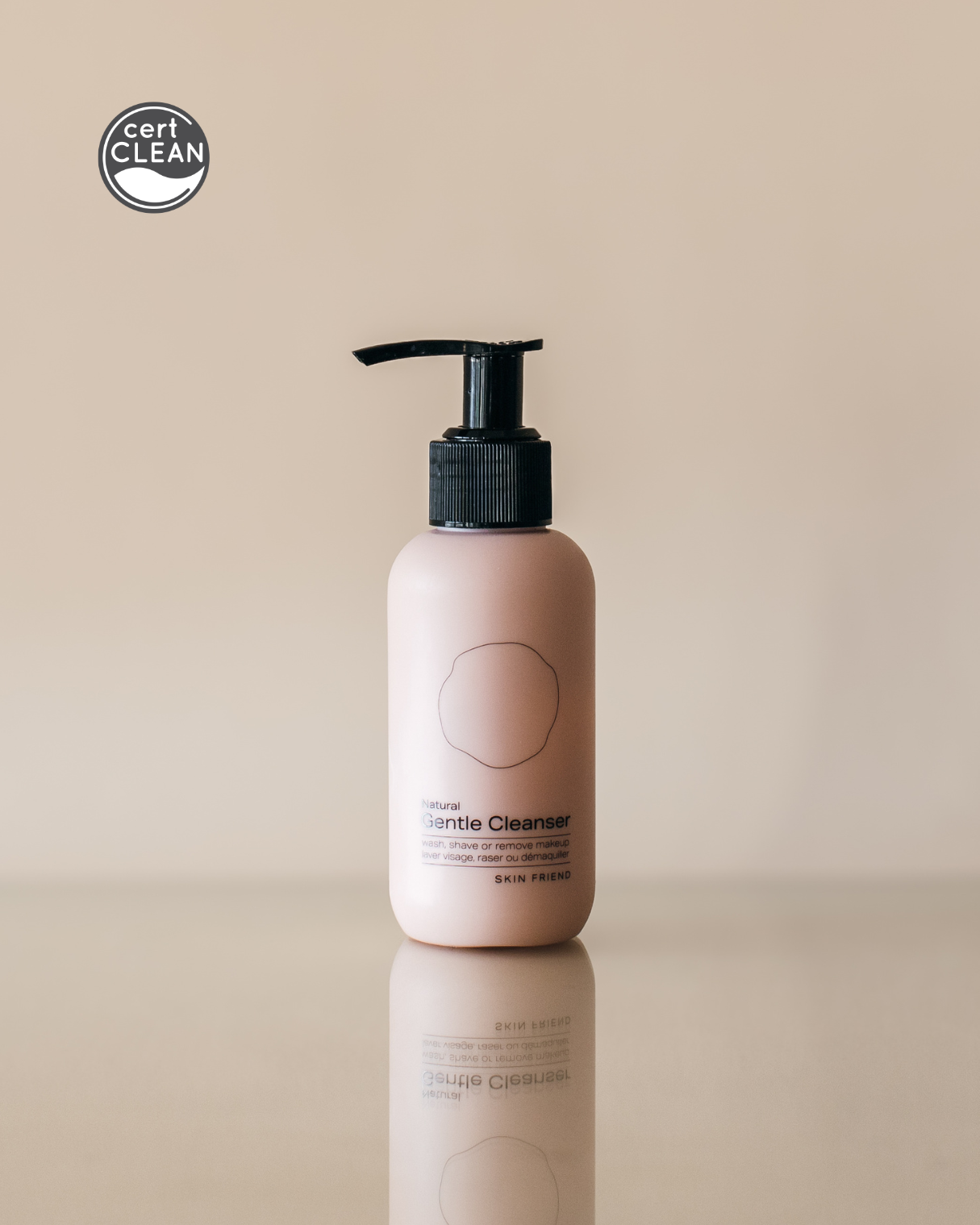
The ideal pH for a face wash is around 4.5–5.0, matching the pH of healthy, uncompromised skin. Skin Friend's Natural Gentle Cleanser is formulated at a biome-friendly pH of 4.5 to cleanse without stripping the skin's natural barrier.
Do all skincare products have a pH?
No. A sufficient water content is required for pH to be measurable, so ointments, balms, oils and products containing small amounts of water do not have a pH. These may support skin health in other ways, for example, by forming a protective layer over the skin, but they won't actively correct an elevated skin pH which may be the underlying cause of many skin issues.

What pH should skincare be?
Skincare for healthy skin is best kept in the 4.0–5.0 pH range, or 4.6 or lower for rash-prone skin, to help protect and restore the acid mantle. This is worth checking on every product you use, since even a trusted brand can get the pH wrong.
Low pH skincare may naturally reduce inflammation, support the acid mantle, promote skin cell turnover and boost collagen and ceramide production for smoother, younger-looking skin (Narda, 2021; Hatano, 2009), without paying a premium for artificial ceramides or collagen that may not even work.

What does lactic acid do for skin?
Lactic acid gently exfoliates skin by loosening the bonds between dead skin cells, but its most valuable role may be less well known. A study demonstrated that lactic acid, the AHA used in our low pH skincare range, directly stimulates ceramide production in skin cells, with L-lactic acid increasing keratinocyte ceramide synthesis by up to 300% in laboratory studies (Rawlings, 1996).
In clinical testing, moisturisers containing L-lactic acid increased skin ceramide levels by 48%, and significantly strengthened the skin barrier and increased skin hydration, which promoted healthier-looking skin (Rawlings, 1996).
Acidic skin with natural lactic acid also promotes the growth of S. epidermidis, a beneficial skin bacteria linked to skin health, while suppressing S. aureus, a pathogenic bacteria linked to eczema flares (Lambers, 2006; Rippke, 2004).
So it's worth investing in low pH skincare that also contains lactic acid to boost natural ceramide and collagen production within your skin.
Is applying a ceramide or collagen cream as effective as low pH skincare?
It is highly unlikely. Collagen molecules are generally too large to penetrate the skin barrier, and topical collagen's effectiveness hasn't been established in humans.
Synthetic ceramides in creams show some benefit, but the studies backing these claims are funded or supplied by the companies selling these expensive ingredients, so bias may play a role in the study design and results.
In contrast, low pH skincare can boost collagen production for plumper skin (Narda, 2021). And why pay for synthetic ceramides when low pH skincare containing natural lactic acid may directly stimulate the skin's own ceramide production, increasing ceramide levels by approximately 48% according to independent testing, not funded by skincare companies (Rawlings, 1996).
It may be more effective and certainly more affordable to help your skin make its own ceramides and collagen, rather than paying a premium to apply them from the outside.
Simple ways to support skin barrier health, without expensive gimmicks
A simple switch to low-pH skincare with gentle biome-friendly ingredients may be one of the most effective ways to restore your skin barrier and promote a more youthful glow.

The benefits of low pH skincare:
- Promote natural skin cell turnover → increasing glow and radiance (Hatano, 2009; Danby, 2023)
- Increase lipids, hydration and ceramides naturally → for smoother skin (Hatano, 2009)
- Reduce inflammation and risk of skin rashes → for a more even skin tone and calmer skin (Hatano, 2009)
-
Boost collagen production → for plumper skin (Narda, 2021)
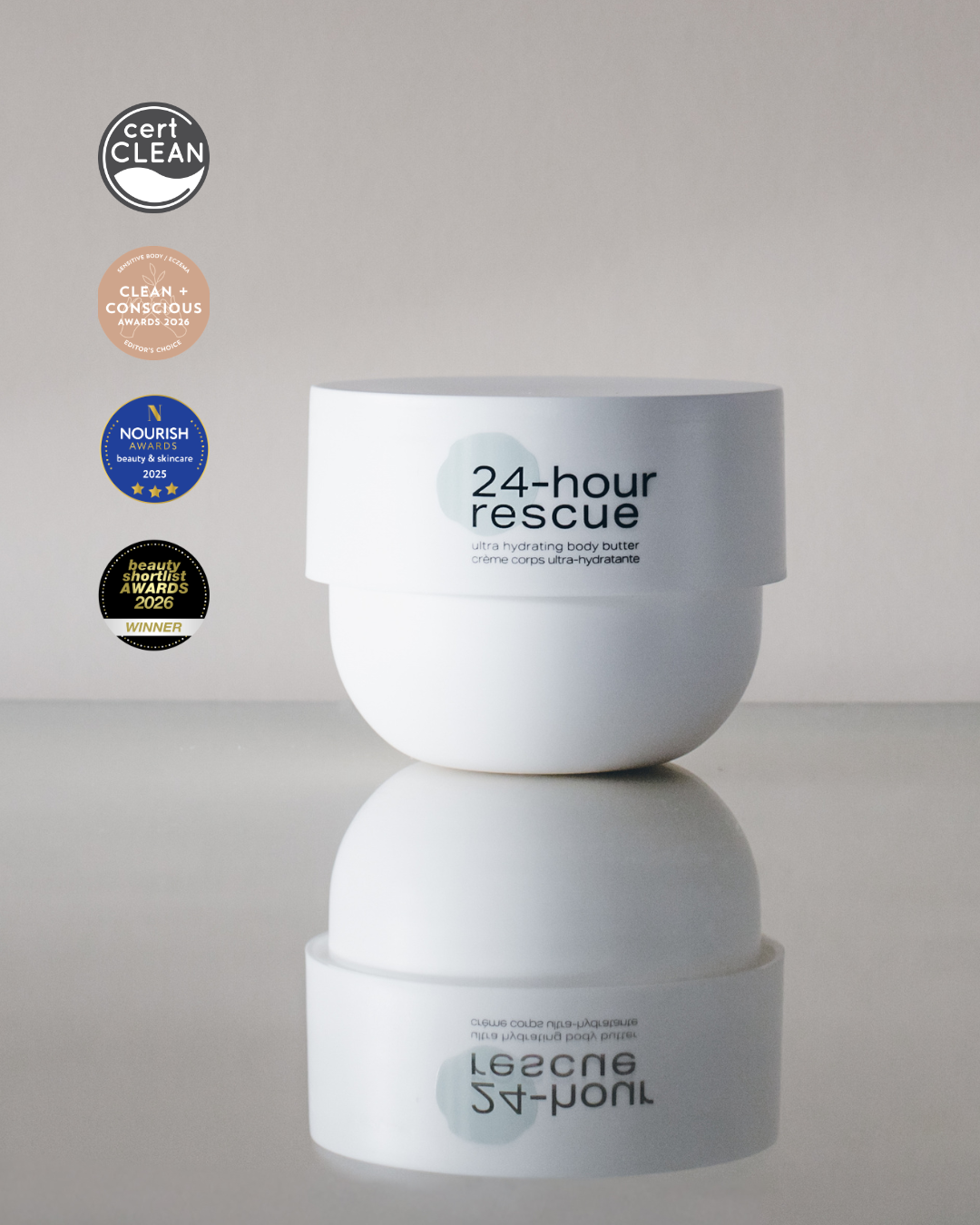
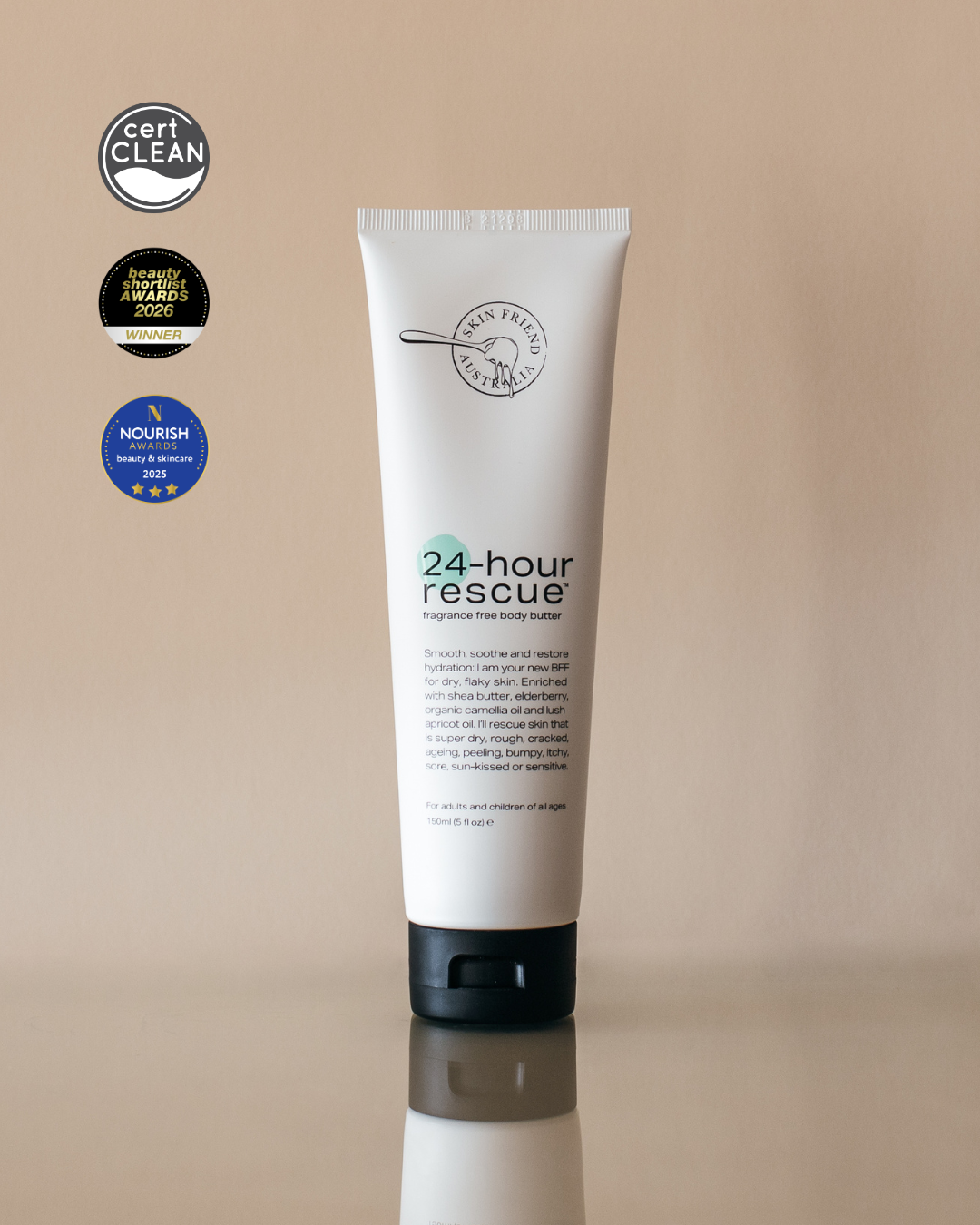
Our low pH skincare includes Eczema Friend, 24-Hour Rescue and Natural Gentle Cleanser. Formulated at pH 4.5, mirroring the skin's natural acid mantle, they gently support biome and barrier health and promote skin radiance, naturally.
Article by Ren Karen Fischer, researcher, nutritionist and author of The Eczema Detox.
References, below.